
What are the Differences Between Ashwagandha Capsules and Tablets?

What are the Differences Between Ashwagandha Capsules and Tablets?

The key differences between ashwagandha capsules and tablets is that capsules absorb faster than tablets and capsules are not as durable as compared to tablets.

Ashwagandha, a revered adaptogenic herb in Ayurveda, has gained immense popularity for its ability to manage stress, anxiety, and overall well-being. From reducing stress-related weight gain to improving sleep quality, this herb offers numerous benefits. Available in various forms such as powders, teas, liquid drops, Ashwagandha tablets, and Ashwagandha capsules, selecting the right form can significantly influence its effectiveness.

Among these, Ashwagandha tablets and Ashwagandha capsules are the most convenient and widely used forms. While both are effective, they differ in certain aspects that might influence your choice. Let's dive deeper into the differences between Ashwagandha tablets and capsules and help you decide the best fit for your needs.

What Are Ashwagandha Tablets?

Ashwagandha tablets are compressed forms of the herb. They are easy to store, have a longer shelf life, and are widely available. Here are the key features of Ashwagandha tablets:

  1. Taste: Tablets, especially uncoated ones, can have a bitter taste, which may be intolerable for some users.
  2. Cost-Effective: Tablets are often more affordable than capsules, making them a popular choice for regular use.
  3. Durability: Due to their solid form, they are less prone to damage when compared to capsules.
  4. Ease of Use: Ashwagandha tablets are versatile and can be broken into smaller pieces if swallowing is difficult.

What Are Ashwagandha Capsules?

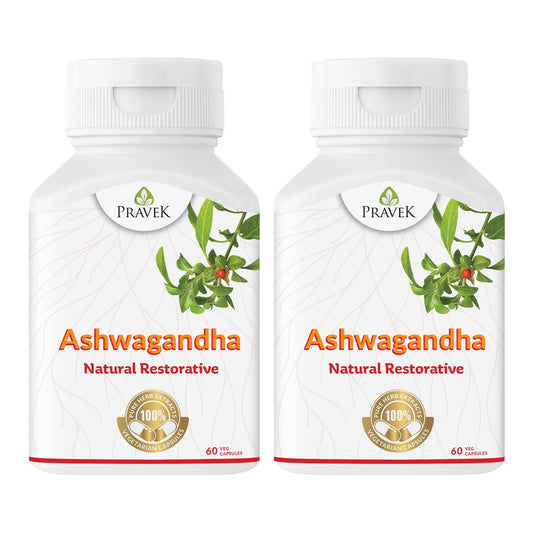
Capsules are made by encasing powdered Ashwagandha in a gelatin or plant-based shell. They offer an odourless and tasteless alternative, ideal for those sensitive to strong herbal flavours. Here are the key features of Ashwagandha capsules:

  1. Ease of Swallowing: Capsules are often easier to swallow, especially for individuals with difficulty ingesting large pills.
  2. No Taste: Unlike tablets, capsules do not have a bitter or unpleasant taste.
  3. Purity: Capsules typically contain fewer excipients, offering a more concentrated dose of Ashwagandha.
  4. Digestibility: The shell dissolves quickly in the stomach, making the contents easier to absorb.

If you're looking to buy Ashwagandha capsules, you’ll find plenty of options online. In fact, some of the best Ashwagandha capsules in India are formulated with minimal excipients to ensure optimal benefits.

Ashwagandha Tablets vs. Ashwagandha Capsules: Key Differences

Acknowledging the difference between ashwagandha capsules and tablets and comparing them to understand that one is better, you can analyse these factors – taste, ease to swallow, cost, permitted additives, and digestibility. Let’s see which one is better for you.

In context, both forms deliver the same health benefits, but the choice often depends on personal preferences regarding taste, ease of ingestion, and budget.

| Also Read: Ashwagandha Powder vs Tablet: Which Works Faster & Better for You?

Benefits of Taking Ashwagandha Supplements

Ashwagandha is renowned for its potential to:

  • Reduce stress and anxiety: Ashwagandha helps manage symptoms of generalized anxiety disorder (GAD) and stress-related conditions.
  • Improve sleep quality: Regular use supports better sleep and relaxation.
  • Boost immunity: It enhances overall health by strengthening the immune system.
  • Support mental clarity: The herb promotes focus and cognitive health, making it ideal for professionals and stress-ridden individuals.

When deciding whether to opt for Ashwagandha tablets or capsules, remember that both forms retain these benefits.

How to Choose Between Tablets and Capsules

Here are some factors to consider when choosing between Ashwagandha tablets and Ashwagandha capsules:

  1. Taste Sensitivity: If you dislike bitter flavours, capsules are your best bet.
  2. Ease in Swallowing: Capsules are smoother and easier to ingest.
  3. Cost-Effectiveness: Tablets are more budget-friendly.
  4. Purity: Capsules often have fewer excipients, making them a more effective option.

| Also Read: What Makes Ashwagandha Capsules So Special?

For those ready to make the switch to capsules or stock up, you can buy Ashwagandha capsules online in India and explore premium options. Some of the best Ashwagandha capsules in India offer potent formulations designed to deliver maximum benefits. Here are some additional tips  for using Ashwagandha Tablets or Capsules:

  1. Timing: Experiment with taking Ashwagandha in the morning or evening to see which works best for you.
  2. Consistency: For optimal results, take your supplement daily as recommended by your healthcare provider.
  3. Storage: Keep tablets and capsules in a cool, dry place to maintain their efficacy.

Conclusion

When it comes to choosing between Ashwagandha tablets and Ashwagandha capsules, the decision is ultimately personal. While tablets are cost-effective and durable, capsules offer ease of swallowing and a tasteless experience. Both forms provide the same incredible benefits of Ashwagandha, including stress relief, improved sleep, and better immunity.

Whether you’re looking to buy Ashwagandha capsules online in India or prefer tablets, the most important factor is incorporating this powerful herb into your wellness routine. Explore your options, and choose the one that aligns with your lifestyle and preferences. 

Start your wellness journey today and experience the transformative power of Ashwagandha!

Frequently Asked Questions (FAQs)

Q1. Which is better: Ashwagandha capsules or tablets?

Capsules are often easier to digest and absorb than tablets, but both work well depending on your personal preference.

Q2. Which form of ashwagandha is best?

Ashwagandha root extract is nowadays packed in the form of capsules or tablets – both are considered the best forms, as they deliver concentrated active compounds for faster results.

Q3. Is ashwagandha good for pregnancy?

Ashwagandha is generally not recommended during pregnancy and breastfeeding, so it’s best to avoid it unless advised by a doctor.

Disclaimer

The content of this blog is for informational purposes only and should not be considered a substitute for professional advice. We are not liable for any actions taken based on the information provided. For specific advice or concerns, please consult a professional.

This page may be automatically translated by Google. We are not responsible for any translation errors or variations in meaning.

Back to Lifestyle Tips
  • Best Remedies

    Backed by Research

  • Premium Quality

    Ingredients

  • Guaranteed

    Hygiene Standards

  • Controlled In-house

    Manufacturing